UK VISA SPONSORSHIP RULES FACE SCRUTINY AFTER BOOKSHOPS GAIN APPROVAL
Questions are being raised over the oversight of Britain’s skilled worker visa system following reports that several specialist bookshops, including retailers carrying controversial religious and political texts, were granted permission to sponsor overseas employees.
According to The Telegraph, a number of bookshops have appeared on the Home Office’s official register of licensed sponsors, allowing them to issue certificates that may support skilled worker visa applications. Newsagents, convenience stores and vape retailers have also reportedly received sponsorship licences.
The system was introduced in its present form in 2020 as part of the United Kingdom’s post-Brexit immigration reforms and is administered by UK Visas and Immigration. Employers seeking to recruit workers from abroad must first obtain a sponsor licence and demonstrate that eligible vacancies meet the relevant occupation, salary and compliance requirements.
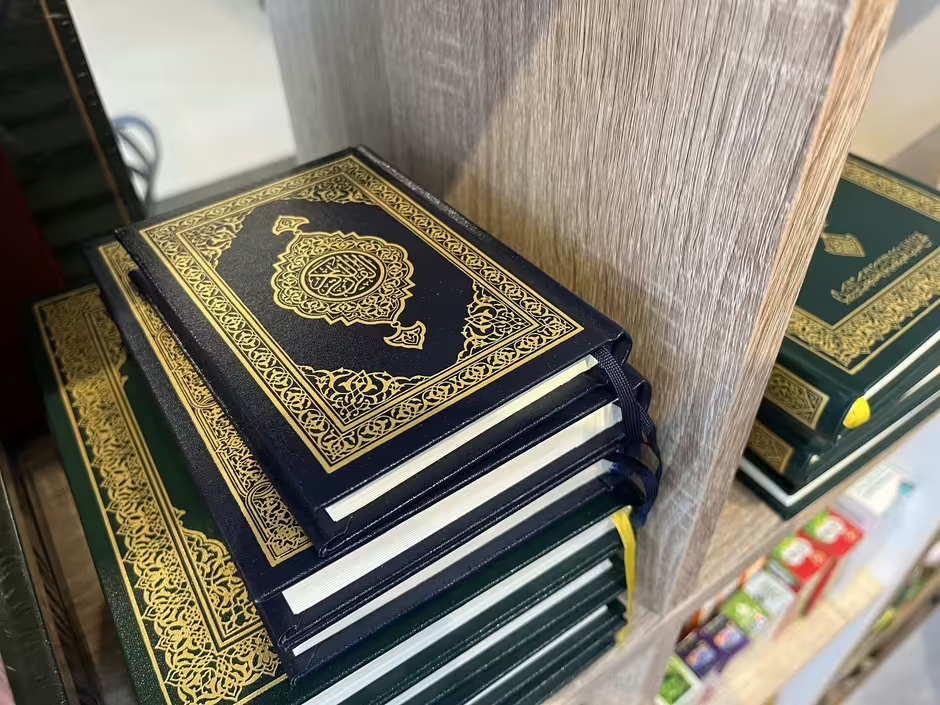
One licensed bookshop in Birmingham is reported to have issued as many as 16 sponsorship certificates since 2021. The retailer sells a broad selection of Islamic literature, including works by figures whose ideas have attracted significant controversy.
Among the titles reportedly available is Milestones by Sayyid Qutb, a book that criticises secular political systems and advocates the establishment of governance based on its author’s interpretation of Islamic principles. Works connected to Muslim Brotherhood founder Hasan al-Banna and cleric Bilal Philips have also reportedly been stocked.
Philips has previously faced restrictions in several countries, while some of his published views concerning marriage and the treatment of women have been strongly criticised. However, the books mentioned in the report can legally be sold in Britain, and there is no allegation that the retailers have committed an offence or breached sponsorship regulations.
That distinction matters. A democratic society must be able to examine difficult or deeply unpopular ideas without automatically treating the sale of a book as evidence of wrongdoing. At the same time, the Government has a responsibility to show that immigration licences are awarded because businesses have a genuine need for suitably qualified workers, rather than simply because an application satisfies a narrow administrative checklist.
Reform UK MP Lee Anderson criticised the previous Conservative government’s handling of the system, arguing that visa sponsorship should have focused more heavily on sectors facing clear national shortages, such as medicine, engineering and essential public services.
He claimed the case demonstrated inadequate scrutiny by the Home Office and questioned whether sponsoring staff for specialist retail businesses served the wider public interest.
His intervention is likely to intensify a broader debate about the purpose of Britain’s work visa programme. The issue is not whether a particular bookshop, religion or community should be singled out. The more important question is whether the same rigorous standards are being applied consistently to every sponsoring organisation, regardless of its size, industry or cultural background.
More than 120,000 organisations are reportedly authorised to issue certificates of sponsorship in the UK. Holding such a licence does not automatically result in a worker receiving permission to enter or remain in the country. Each visa application must still be assessed separately, and the Home Office can suspend or revoke licences where employers fail to meet their responsibilities.
A Home Office spokesperson said recent increases to the minimum salary requirements for skilled workers meant that businesses of this kind would now be far less likely to secure approval.
The department stressed that a sponsor licence neither guarantees that an organisation is actively using the system nor ensures that an individual visa application will succeed. Officials said every application is considered on its own merits and remains subject to eligibility, salary and compliance checks.
The Government has also removed more than 100 occupations from overseas recruitment routes as part of its efforts to reduce reliance on foreign labour and prevent misuse. According to the Home Office, the number of skilled sponsor licences revoked in 2025 was 950 per cent higher than in 2023.
Those figures suggest that enforcement has become considerably more active. Yet they also create an uncomfortable question: if so many licences later required intervention, were the original checks sufficiently robust?
For the public, confidence in the immigration system depends on more than strong statements after concerns emerge. People need to believe that approvals are being made carefully from the beginning, with clear evidence that sponsored roles are genuine, economically justified and properly monitored.
This story risks becoming emotionally charged because it brings together immigration, religion and freedom of expression. Responsible discussion must therefore avoid implying that Muslim-owned businesses should face different standards from other employers. Such an approach would be unfair and would distract from the real administrative issue.
The Home Office must instead explain how it determines whether a retail vacancy genuinely requires overseas recruitment, what checks are carried out before sponsorship certificates are issued, and how officials identify businesses that may be using the scheme improperly.
There is also a wider human dimension. Every certificate represents a person considering a major change to their life, often leaving family, community and familiar surroundings to work in Britain. A poorly regulated system can harm not only taxpayers and legitimate employers but also migrants who may become dependent on an unsuitable or exploitative sponsor.
Britain benefits when skilled migration fills genuine shortages and contributes to the economy. It loses trust, however, when the public cannot clearly understand why certain jobs qualify or how questionable applications pass through the system.
The controversy should therefore be treated as an opportunity for transparent review rather than as a reason for hostility towards a particular faith or type of retailer. Stronger oversight, consistent enforcement and clearer explanations would help protect the integrity of the visa system while preserving the principles of lawful trade, religious freedom and equal treatment.
Ultimately, the debate is less about what appears on a bookshop’s shelves than about whether the Government can demonstrate that its immigration rules are coherent, fair and firmly enforced. That is a reasonable expectation—and one the Home Office must meet if it hopes to restore public confidence.
